
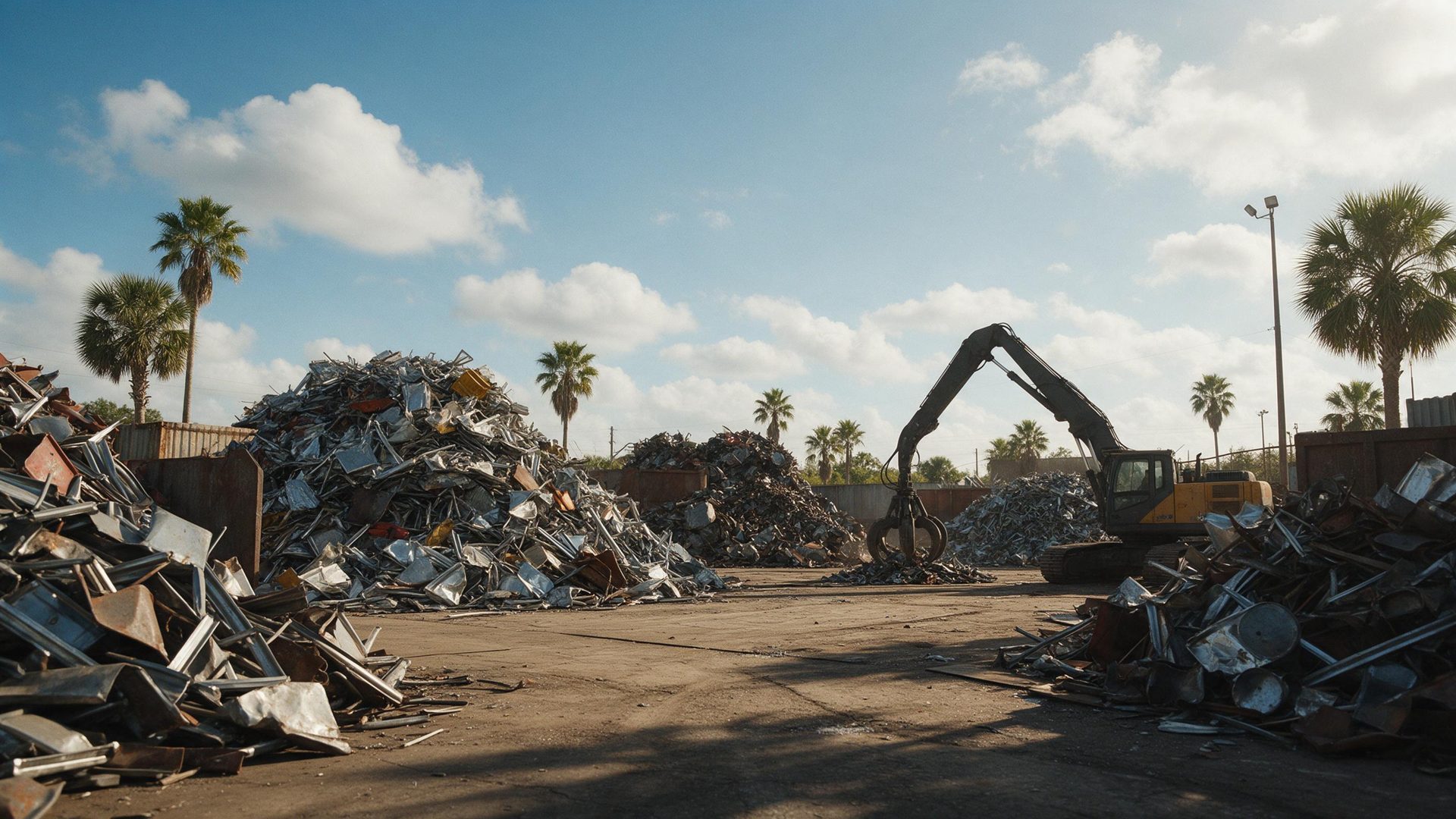
Get scrap metal out of the humidity before it solders itself into one pile
AC change-outs in Brandon, salt-eaten aluminum in Clearwater, phosphate-town steel in Lakeland. Send a photo.
Live market spot prices, just for reference. Yard prices for scrap are lower and depend on grade.
Live metal spot prices
Local prices vary by yard. Send a photo for a quote. The figures above are live market spot prices from gold-api, for reference only — not a local scale ticket.
Sorting is necessary
Gulf humidity corrodes bare copper and aluminum if they sit in the grass. Get non-ferrous up on a pallet, away from yard waste, or the grade falls before anyone weighs it.
What usually pays
How it works
Send us a message
We cover Tampa and the bay-area towns below. Bridges and storm debris change routes — name the city and whether the pile is still wet.
What Tampa Bay puts out for scrap
Slab houses, salt air, and constant air conditioning
Tampa Bay houses sit on slabs, so the scrap is not a basement full of cast iron. It is air conditioners, copper line sets, aluminum carports, and the metal of a kitchen that flooded or simply wore out. On the Pinellas side — St. Petersburg, Clearwater, Largo — salt air eats aluminum fascias, screen cages, and window frames until a remodel finally pulls them off.
Inland, Brandon, Riverview, and Wesley Chapel are newer. Their scrap is builder cutoffs and the first round of appliance and AC replacements, not a 1920s bungalow rewire.
Humidity, hurricanes, and a season you can feel in the pile
Moisture is the grading problem. A coil left in the grass after an afternoon storm looks like dirty scrap even when the copper is fine. Hurricane and tropical-storm cleanups add a second pattern: aluminum screen rooms, fence, and appliances that took on water. Those loads need an honest photo. Flood-soaked mixed junk is not a copper ticket.
Summer is also when cars fail and stay failed. A vehicle that flooded on a side street in Shore Acres or simply rusted out on a Lutz lot is a title-and-tow question, not a posted price.
Port, phosphate, and the inland warehouses
Tampa’s port and industrial edges produce steel and mixed commercial scrap that a residential page should not pretend to be. If you are clearing a warehouse or a shop, say so and photograph the scale of it. Lakeland’s inland warehouses and the region’s phosphate history show up as heavier steel and equipment, a longer drive from the bay.
Household gold and silver are the quiet third lane: estate jewelry from a Clearwater condo or coins from a Plant City farmhouse. They do not belong in the AC-coil pile.
Questions people ask
Are the live prices Tampa yard prices?
No. They are market spot prices. Local prices vary by yard. Send a photo for a quote.
Do you publish a street address?
No. A partner yard receives material under its own location and rules.
What about storm debris?
Photograph it. Aluminum from a screen cage and a flooded appliance pile are different loads, and the yard decides what it will take.
Towns around Tampa
A St. Petersburg bungalow and a Wesley Chapel spec house do not produce the same metal. Use the matching town page.
Sorting Tampa scrap metal before a yard quote
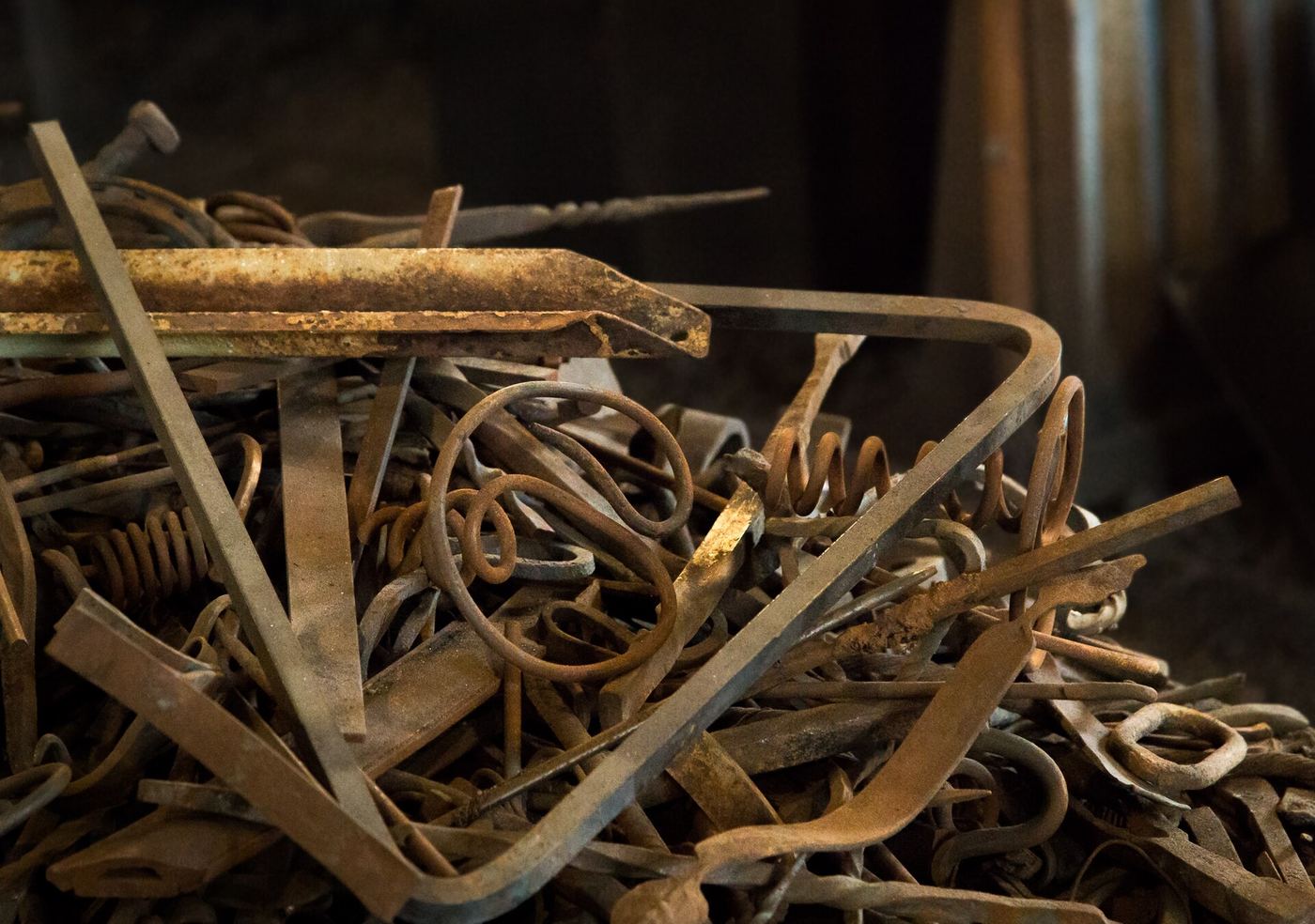
Separate ferrous metal from non-ferrous metal before you send photos. Ferrous metals contain iron, as in many steel items, and are often worth sorting in a separate pile from copper, brass, and aluminum. The material type, condition, and amount all affect how a yard classifies a load. A single photo of mixed material can make those details hard to judge.
A magnet is a useful first check, but it is not a full grade test. If it sticks firmly, the item is likely ferrous; if it does not, it may be a non-ferrous metal or another material. Some stainless steel can behave differently from ordinary steel. Check separate pieces where practical, and tell the yard if you are unsure rather than labeling the whole pile based on one test.
Copper wire and tubing may be sorted into different grades. Bare bright copper is clean, uncoated wire with no solder or attachments. #1 and #2 copper have different levels of contamination or oxidation, while insulated wire includes its plastic covering. These names describe material categories, not guaranteed payouts. A yard makes the final grade call after reviewing or handling the material.
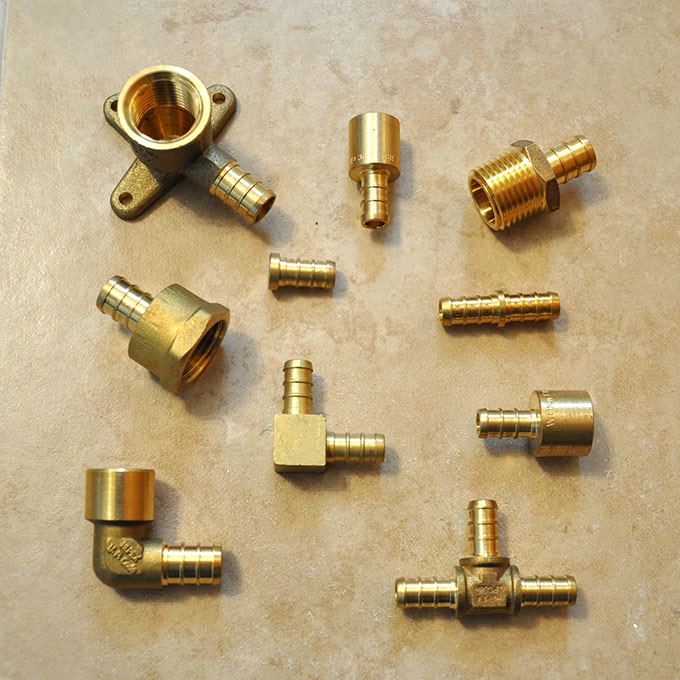
Brass fittings, aluminum frames, and mixed metal pieces can also be graded differently depending on attachments, coatings, and contamination. Keep obvious brass separate from steel fasteners and keep aluminum apart from wet insulation or other debris. Clean material is easier to identify than a tangled, dirty load. If a piece has mixed parts that are difficult to separate safely, photograph it as-is and ask how the partner yard wants it handled.
Wire, appliances, and other Tampa Bay scrap that needs care
Stripping insulated wire can make the copper easier to identify, but it takes time and creates plastic waste. Whether it is worthwhile depends on the wire type, quantity, and the yard’s grading rules. Do not burn insulation to remove it. That creates hazardous smoke and can damage the copper. Ask for the yard’s current acceptance and sorting guidance before spending time stripping a small or mixed batch.
Air conditioners, refrigerators, and similar appliances may contain refrigerant in a sealed system. Do not cut refrigerant lines or dismantle a unit to reach the metal. Refrigerant should be properly recovered by a qualified professional, and yards may have specific rules for accepting intact appliances. Tell the partner what equipment you have and whether it is complete, already serviced, or partly dismantled.
Catalytic converters are not ordinary loose scrap. Their source and identifying details can matter, and a buyer may ask for identification or paperwork showing the material is yours. Requirements and acceptance policies vary by yard. Do not remove a converter from a vehicle you do not own or cannot document. Before arranging a sale, ask the partner what information it needs and whether it accepts that item.
Keep motors, circuit boards, batteries, and appliances separate from clean copper or aluminum unless the yard tells you otherwise. Attached materials can change how an item is classified, and some items may not be accepted with a general metal load. Send clear photos of both the whole item and any labels or attachments that affect identification. Do not open sealed equipment just to make a photo easier.
Preparing a Tampa Bay scrap or junk-car pickup
Before requesting a pickup, make a short inventory and take photos in good light. Include a wide view that shows the amount, then closer views of the main materials and any labels, attachments, or contamination. Mention whether the material is accessible, indoors or outdoors, and whether it is mixed with household debris. A partner yard can then decide what details it still needs before discussing service.
Put loose material in stable, separate piles or containers where you can do so safely. Keep sharp edges, protruding wire, and heavy pieces away from walkways. Do not climb onto an unstable stack or lift an item beyond your ability. Tell the partner about narrow access, gates, stairs, or other pickup limits before a truck is arranged; the driver needs to know what can be reached safely.
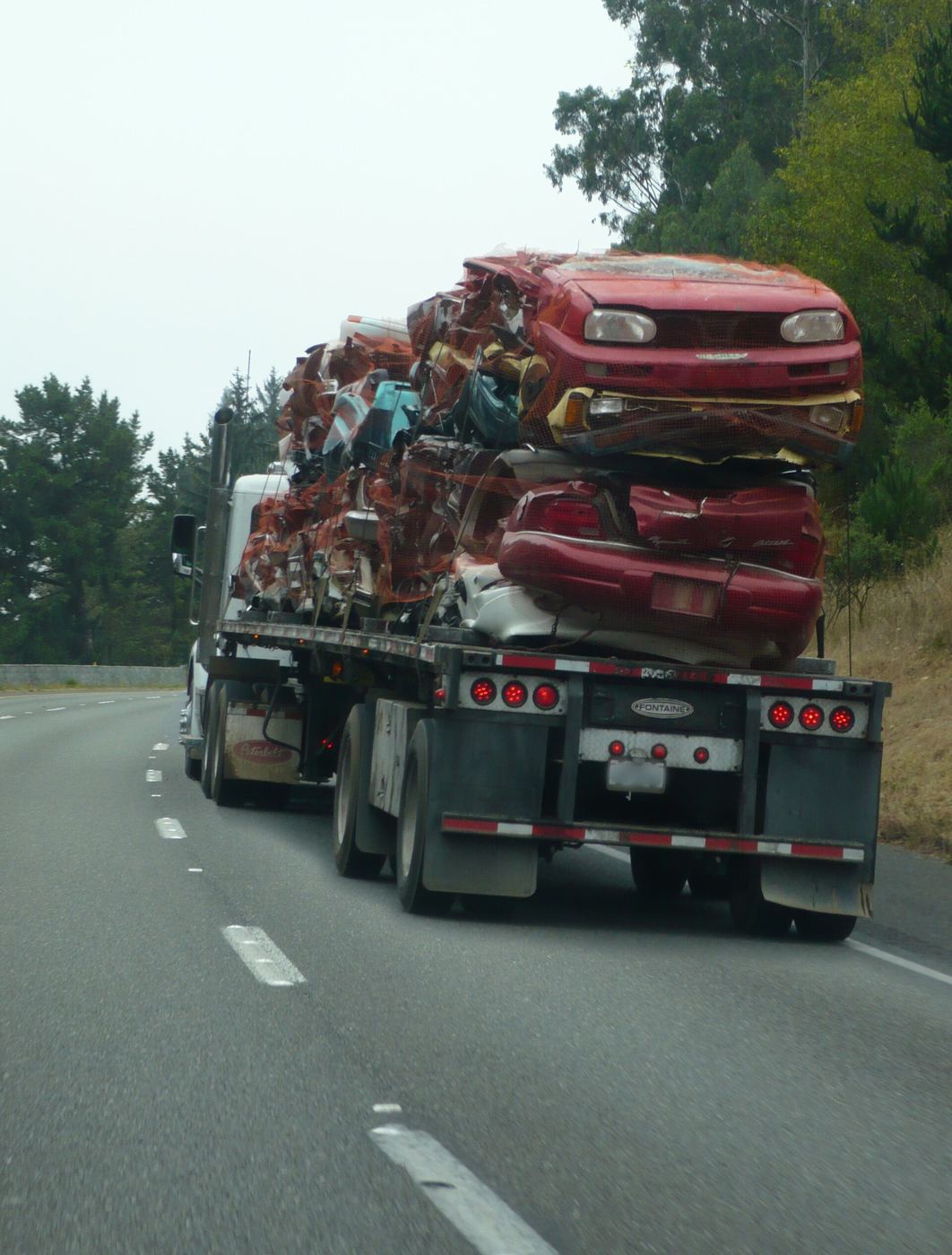
For a junk car, have the vehicle details and ownership documents available before discussing removal. Title and paperwork requirements depend on the vehicle and the partner yard’s process, so ask what it needs rather than assuming a car can be taken without documents. Also mention whether the vehicle is complete, damaged, or blocked in. A photo can help the partner assess the situation, but it does not replace its paperwork review.
Bay Area Quotes connects sellers with independent partner yards; the site does not buy or weigh the material. The partner yard sets its own acceptance rules, pickup arrangements, grading, and payment process. Before agreeing, ask how the weight will be documented, what deductions or exclusions may apply, and what identification or paperwork to bring. Keep the answers with your pickup details so there is less confusion at handoff.
More questions
Can a magnet tell me exactly what grade of metal I have?
No. A magnet is a quick way to separate many iron or steel items from non-magnetic material, but it cannot identify every alloy or establish a scrap grade. Coatings, attached parts, and stainless steel can complicate the check. Use it as a sorting aid, then let the partner yard determine the grade.
Should I strip insulation from copper wire before requesting a quote?
Not automatically. Stripping takes labor, and the result depends on the wire type, amount, and the yard’s grading rules. Do not burn insulation. Send a photo of the wire as it is and ask whether the partner wants it insulated or stripped before you invest time in processing it.
What makes copper bare bright rather than another copper grade?
Bare bright generally means clean, uncoated copper wire with no solder, insulation, or attached material. Copper with oxidation, solder, coatings, or other contamination may fall into a different category. Do not assume appearance alone settles the grade. The partner yard makes the final classification after reviewing the material.
Can I bring a refrigerator or air conditioner with the refrigerant still inside?
Acceptance rules differ by yard and equipment condition. Do not cut lines or try to release refrigerant. Contact the partner first, describe whether the appliance is intact or dismantled, and ask what preparation it requires. If service is needed, have refrigerant handled through an appropriate qualified professional.
What should I ask before selling a catalytic converter?
Ask whether the partner accepts it, what proof of ownership or other paperwork it requires, and what identifying details it needs. Policies can differ, so do not rely on another buyer’s process. Do not sell or remove a converter that you cannot lawfully document as yours.
Do I need a title to have a junk car picked up?
The required paperwork depends on the vehicle and the partner yard’s process. Have the title and available ownership documents ready, then ask the partner what it will accept before scheduling removal. Also disclose if the vehicle is incomplete or difficult to access. The site does not make the partner’s title decision.
How should I compare two scrap pickup quotes?
Compare what each quote covers, not just the stated amount. Ask whether it assumes a particular grade or vehicle condition, whether pickup or handling affects the offer, and how final weight and deductions are documented. Independent yards set their own terms, so confirm the details directly with the partner handling your material.
What should I have ready when the pickup driver arrives?
Have the agreed material accessible, keep it separated as discussed, and have any requested identification or vehicle paperwork ready. Clear a safe path and point out sharp, heavy, or unstable items. If the load or access has changed since the photos, tell the partner before pickup so it can confirm the arrangement.
See the products we recommend in the Scrap and Metal Shop at Landforms USA.