
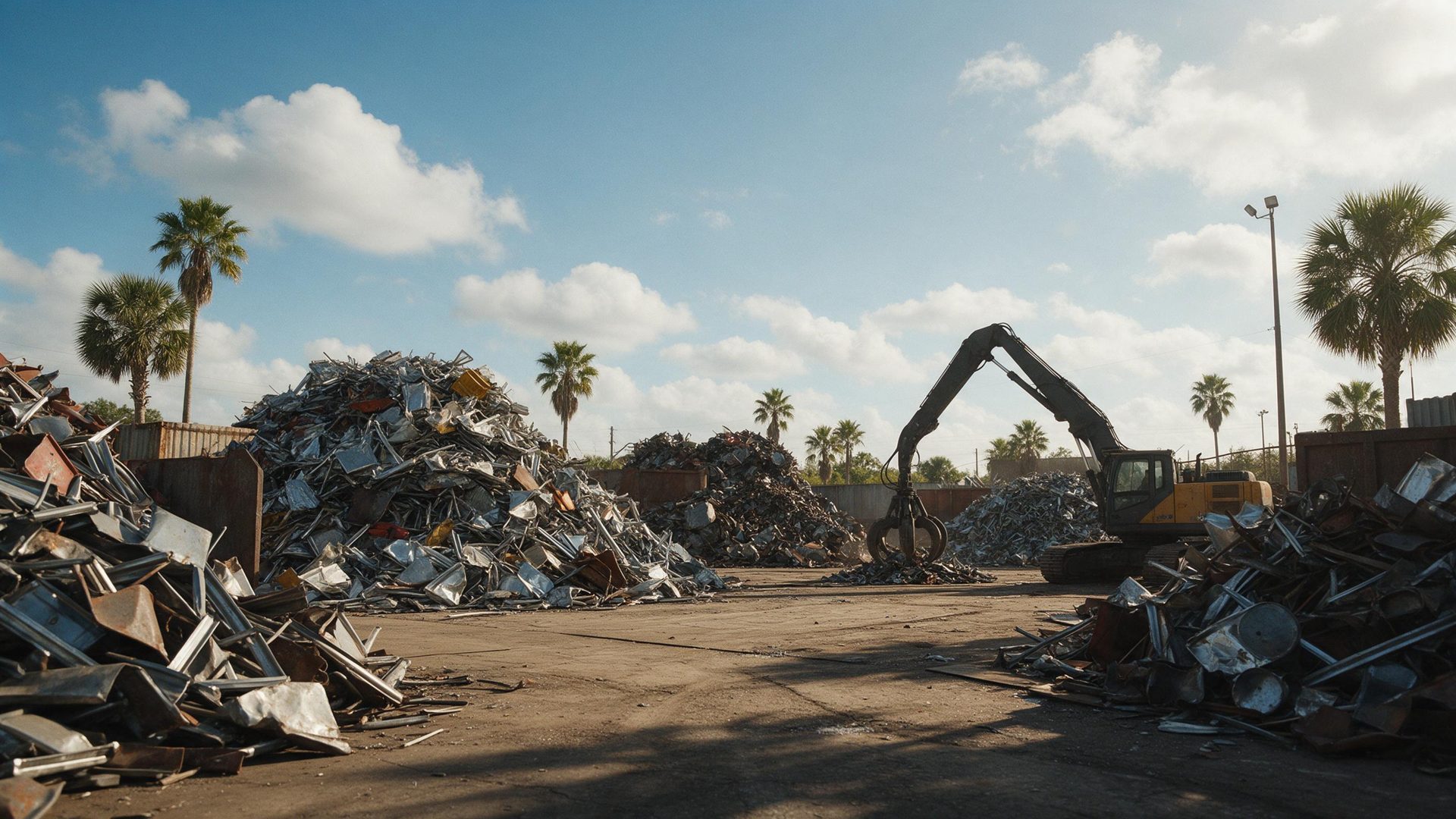
Valrico piles hide on bigger lots behind the houses
Valrico and the FishHawk-adjacent growth mix newer houses with lots that still have room for a shop pile. Expect condensers, a little copper, and steel from a hobby garage. It is not plant scrap, and describing a riding-mower frame as heavy steel does not help.
Junk trucks sit longer here because the lot hides them. When someone finally wants the space for a pool cage, the vehicle and the old aluminum cage come out together. Keep those as two notes, not one.
Local prices vary by yard. Send a photo for a quote. We do not publish a Valrico scale sheet.
Contractor scrap form · Gold and silver · Cash for cars
Sort a Valrico scrap load before requesting a quote
A magnet is a quick first check, not a grade test. If it sticks, the piece is usually ferrous steel or iron; if it does not, it may be copper, brass, or aluminum. Stainless steel can behave differently depending on its composition. Keep magnetic and non-magnetic material in separate piles, and tell the yard if a load includes both.
Copper condition affects how a yard may classify it. Clean, uncoated bare bright wire is a different grade from clean copper pipe, while solder, paint, fittings, or corrosion can move material into a lower category. Insulated wire is usually evaluated as wire with insulation, not as bare copper. Keep these types apart when practical and send clear photos of the ends and insulation.
Brass valves and fittings are worth separating from copper, and aluminum should be kept apart from steel and other metals. Clean material is easier to identify than pieces mixed with wood, plastic, dirt, or attached hardware. Do not assume every aluminum item has the same grade. Describe what is attached and whether the material is clean, painted, or mixed when you ask for an estimate.
Arrange a safe Valrico scrap or vehicle pickup
Do not strip insulation from wire just to make a pile look cleaner. Stripping takes time, creates sharp waste, and may not improve the return enough to justify the work; ask the yard how it handles insulated wire first. Use hand tools only when you can work safely, and avoid burning insulation. Keep cut ends contained so they do not puncture bags, tires, or hands.
Appliances that may contain refrigerant need proper recovery before recycling. Do not cut refrigerant lines or try to vent a system yourself. Ask the yard or a qualified service provider what condition it must be in and whether they accept the appliance. For a pickup, identify appliances separately from loose metal and mention any sealed units before a truck is scheduled.
For a junk car, ask the receiving yard what ownership documents it needs before arranging removal; title and paperwork requirements can vary. Catalytic converters may require the seller to provide identification or other documentation, so ask in advance rather than removing one and assuming it can be sold without questions. Clear loose belongings from the vehicle and make the pickup area accessible.
What should I include in photos for a Valrico scrap quote?
Show the full pile, then take close-ups of material labels, cut ends, or attached parts. Include a common object for scale if it helps, and say whether the pile is mixed or sorted. A photo is only a starting point; a partner yard may need to inspect and weigh the material before confirming its grade and value.
Should I remove fittings from copper pipe before selling it?
Only do it if you can separate them safely and the time makes sense. Fittings, solder, and other attachments can affect how copper is graded, but removing them may create sharp edges or damage the pipe. Ask the yard how it classifies the material as-is and whether clean separation would change its offer.
What should I do with a refrigerator or air conditioner?
Keep sealed refrigerant equipment intact. Do not cut lines, puncture the unit, or release refrigerant. Tell the yard what the appliance is and whether it has already been properly evacuated. Acceptance and handling instructions vary, so confirm them before loading or scheduling a pickup.
Do I need a title to arrange junk-car removal in Valrico?
Ask the receiving yard what documents it requires for that vehicle before setting a pickup. Ownership paperwork requirements can depend on the vehicle and the yard’s process. Have the vehicle details and available documents ready, and do not assume a verbal description or an old registration will be enough.
How should I prepare a pile for pickup?
Separate metal from household trash and keep the route to the load clear. Point out heavy pieces, sharp edges, loose wire, and anything that may still contain fluids or refrigerant. Do not climb unstable piles or lift beyond your ability. The partner yard can explain access, loading, weighing, payment, and identification steps before dispatch.
Questions
What should I include in photos for a Valrico scrap quote?
Show the full pile, then take close-ups of material labels, cut ends, or attached parts. Include a common object for scale if it helps, and say whether the pile is mixed or sorted. A photo is only a starting point; a partner yard may need to inspect and weigh the material before confirming its grade and value.
Should I remove fittings from copper pipe before selling it?
Only do it if you can separate them safely and the time makes sense. Fittings, solder, and other attachments can affect how copper is graded, but removing them may create sharp edges or damage the pipe. Ask the yard how it classifies the material as-is and whether clean separation would change its offer.
What should I do with a refrigerator or air conditioner?
Keep sealed refrigerant equipment intact. Do not cut lines, puncture the unit, or release refrigerant. Tell the yard what the appliance is and whether it has already been properly evacuated. Acceptance and handling instructions vary, so confirm them before loading or scheduling a pickup.
Do I need a title to arrange junk-car removal in Valrico?
Ask the receiving yard what documents it requires for that vehicle before setting a pickup. Ownership paperwork requirements can depend on the vehicle and the yard’s process. Have the vehicle details and available documents ready, and do not assume a verbal description or an old registration will be enough.
How should I prepare a pile for pickup?
Separate metal from household trash and keep the route to the load clear. Point out heavy pieces, sharp edges, loose wire, and anything that may still contain fluids or refrigerant. Do not climb unstable piles or lift beyond your ability. The partner yard can explain access, loading, weighing, payment, and identification steps before dispatch.